

Social Innovation Cooperation Discussed in Cyprus
At the end of April, Marju Mäger and Evelyn Valtin from KÜSK (National Foundation of Civil Society) visited Cyprus and met with representatives of the Organisation for European Programmes and Cultural Relations (OEPCR), the Social Innovation Centre, and AKTI Project and Research Centre. The purpose of the visit was to exchange experiences, identify common interests, and explore opportunities for international cooperation in the fields of social innovation, culture, and environmental sustainability.
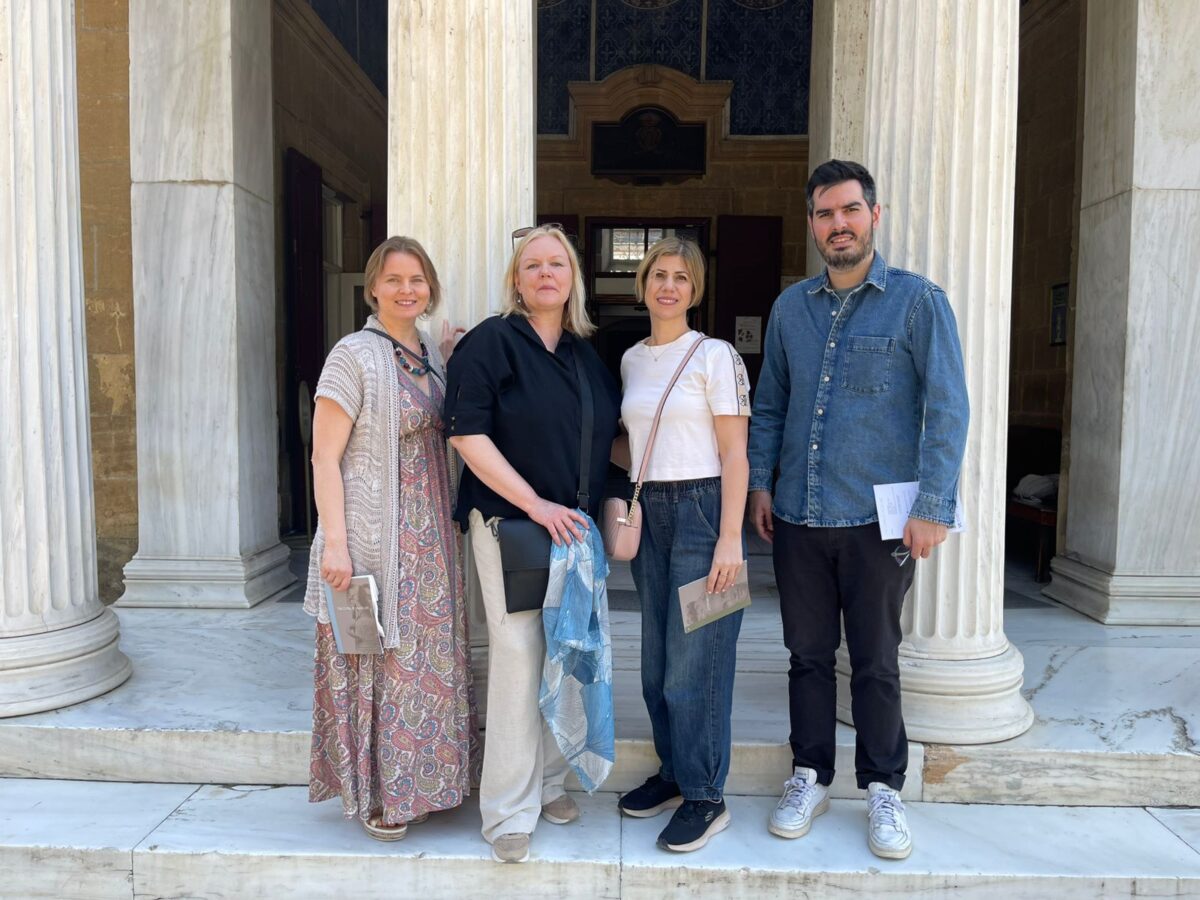
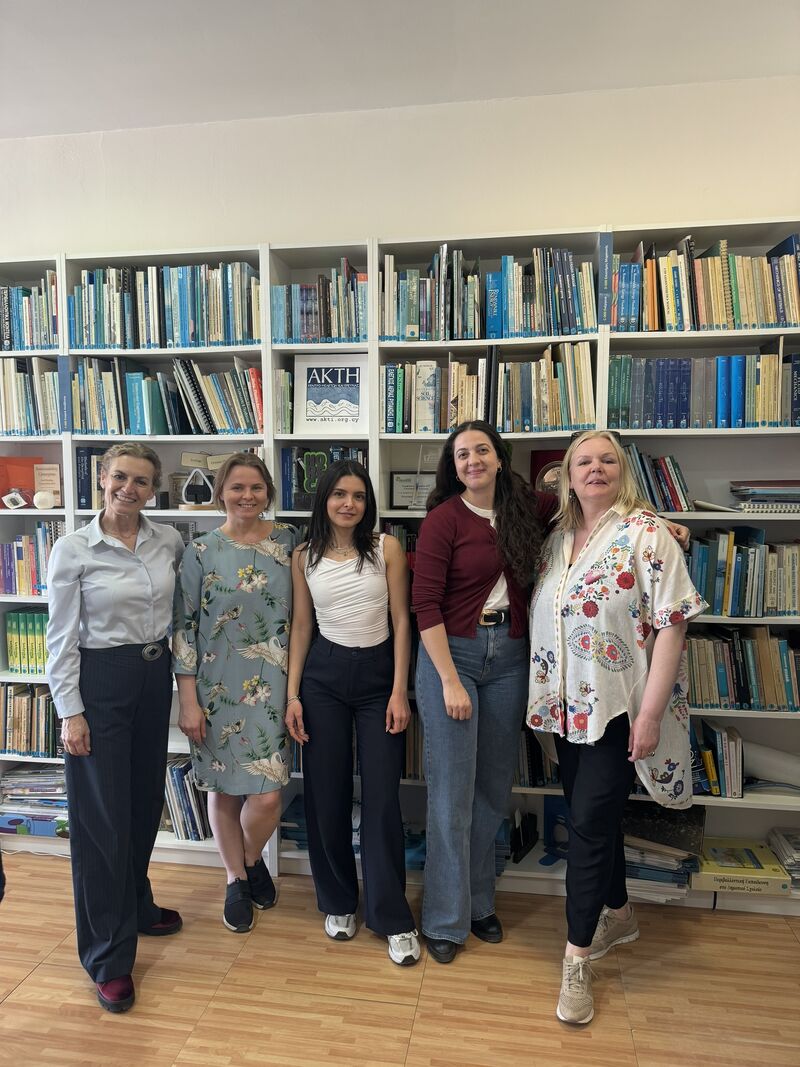
During the visit, meetings were held with several organisations actively engaged in implementing European programmes, promoting community participation, and developing social and environmental solutions. The discussions highlighted diverse approaches to addressing societal challenges and provided valuable opportunities to compare experiences and good practices from different countries. The meetings also opened the door to potential future cooperation.
Cyprus, an island nation in the Mediterranean, occupies a unique position at the crossroads of Europe, the Middle East, and North Africa. This strategic location has shaped its role as a hub for international cooperation and cultural exchange. As a member of the European Union, Cyprus actively participates in various European programmes and serves as an important meeting point for initiatives related to culture, innovation, and sustainability.
Evelyn Valtin reflected on the visit:
“Visiting Cyprus was memorable not only because of the country’s rich cultural and historical background, but also due to the inspiring meetings with organisations working to strengthen communities and society through innovative solutions in environmental sustainability, equality, and many other fields. International meetings are often inspiring and hopeful, as they bring together motivated people and meaningful initiatives aimed at creating a positive impact in the world. We have much to learn from others, but also valuable experiences to share.”
Visited organisations:
The Organisation for European Programmes and Cultural Relations (OEPCR) has been appointed by national and European authorities to manage the National Contact Points for the Creative Europe programme, the Citizens, Equality, Rights and Values (CERV) programme, and the New European Bauhaus initiative in Cyprus. It also coordinates the national network of the Anna Lindh Foundation.
As an interministerial cultural relations agency, OEPCR supports the international development, promotion, and visibility of contemporary Cypriot arts and culture. The organisation provides research, innovation, international networking, and capacity-building activities for the cultural and creative sectors. It also participates in key European networks that seek to integrate culture into the European Union’s external relations, offer professional training opportunities, and strengthen inclusive skills development through advisory cooperation with public institutions.
The Social Innovation Centre focuses on addressing systemic social, educational, and market challenges through the development of innovative and sustainable solutions. Its work is built around four core pillars: social engagement, education, development, and economic advancement.
The organisation leads and participates in a wide range of projects in areas including adult education, equality, integration and inclusion, entrepreneurship, innovation, social impact, networking, school and higher education, and environmental sustainability.
In addition, the centre offers internship opportunities that allow participants to learn from experts in the field, gain practical experience, and develop skills for creating meaningful societal impact while building successful careers.
AKTI Project and Research Centre is dedicated to promoting environmental sustainability and creating positive change within communities. The organisation conducts environmental research, provides environmental education and vocational training, and has extensive experience in Integrated Coastal Zone Management.
Among AKTI’s flagship initiatives are Tiganokinisi, Zero Waste HoReCa, RESIsles, and #Potavristou.
Tiganokinisi. Tiganokinisi is one of AKTI’s most innovative projects and serves as an educational environmental programme promoting environmental responsibility. The initiative focuses on converting used cooking oil from households into biodiesel. Schools act as collection points, while revenues generated from the sale of collected oil are reinvested into environmental education. Launched as a pilot project in five schools during 2012–2013, the programme has expanded to more than 500 schools, covering approximately 98% of Cyprus’s primary and secondary schools. To date, more than 1,100 tonnes of used cooking oil have been converted into biodiesel, generating nearly €1 million for schools and supporting over 1,100 green infrastructure projects.
Zero Waste HoReCa. The Zero Waste HoReCa project aims to support the transition towards greater sustainability and economic resilience in the hospitality sector, including hotels, restaurants, and cafés. The project focuses on three main objectives: Improving energy efficiency and reducing carbon emissions; Enhancing water conservation practices; Promoting sustainable supply chains through responsible procurement and circular economy principles..
RESIsles. RESIsles (Resilient Euro-Mediterranean Islands: Democratic Participation for Informed and Responsible Climate and Environmental Decision-Making) is a European Union co-funded project under the CERV programme.The project promotes and facilitates citizen participation in democratic processes related to climate change and environmental issues across Cyprus, Malta, and Crete. These islands are among the most populated and environmentally vulnerable regions in the Mediterranean, making citizen engagement particularly important for future resilience and sustainability.
#Potavristou. One of AKTI’s most influential and award-winning initiatives is the #Potavristou campaign, a citizen science-based social media movement organised every September to raise awareness about marine litter and promote environmental responsibility. What began as a local effort in Cyprus to tackle marine litter in the Mediterranean has evolved into a global movement. Over the past seven years, more than 17,000 volunteers have participated in the campaign, removing approximately 110 tonnes of waste from 2,095 locations worldwide, including sites in Singapore, the Philippines, California, and Japan.