

Debbi Brock on Social Innovation and the Role of Civil Society
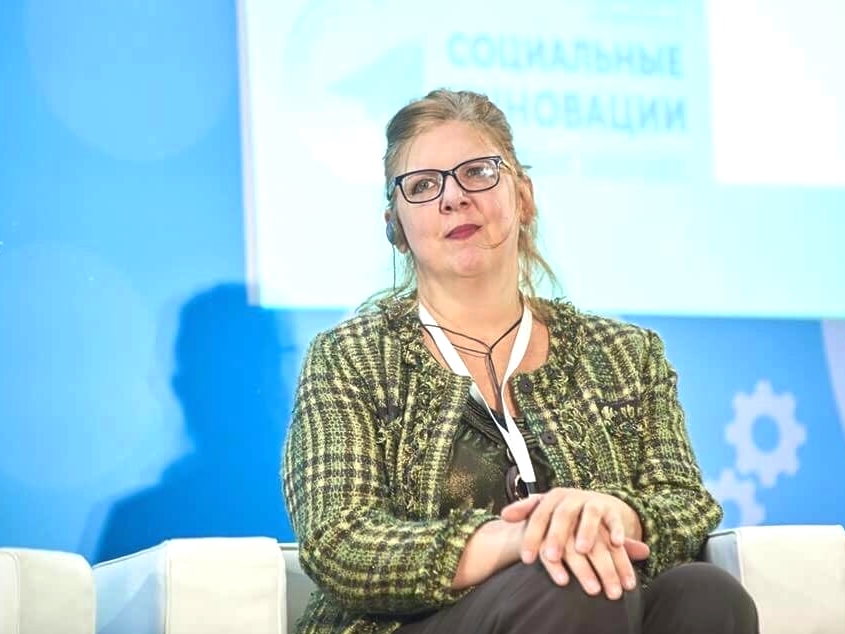
What is social innovation, how can it help address complex societal challenges, and what role can civil society organisations play in creating lasting change?
In this English-language video interview, Dr Debbi Brock introduces the concept of social innovation and shares examples of how collaborative approaches can lead to meaningful social change.
Debbi Brock is a systems change learning facilitator with Catalyst 2030 in the United States. Catalyst 2030 is a global movement of social innovators working together to achieve lasting and positive social change.
The interview was recorded in April 2022 ahead of the hybrid seminar “Best Practices in Social Innovation Cooperation for Designing and Implementing Ideas in Civil Society Organisations”, held in Tallinn on 7–8 June 2022.
The seminar was organised by the National Foundation of Civil Society (NFCS) as part of a programme funded by the Baltic-American Freedom Foundation (BAFF).
In the interview, Debbi Brock explains what social innovation is, what characterises it and what kind of value it can create for society.
She also discusses the role of civil society organisations in using socially innovative approaches to address societal challenges and shares examples of successful social innovation based on participation and cooperation. These include the work of the Dara Institute in Brazil in transforming approaches to healthcare and the Grameen Foundation’s efforts to reduce poverty.
The conversation is hosted by Evelyn Valtin, who coordinated NFCS’s project for establishing a social innovation competence centre.
Watch the full interview on YouTube.
The programme was made possible with funding from the Baltic-American Freedom Foundation (BAFF). More information about BAFF scholarships and Baltic-American Dialogue programme opportunities is available at www.balticamericanfreedomfoundation.org.