


A Bus Full of Ideas: How Social Innovation Really Emerges in South-East Estonia
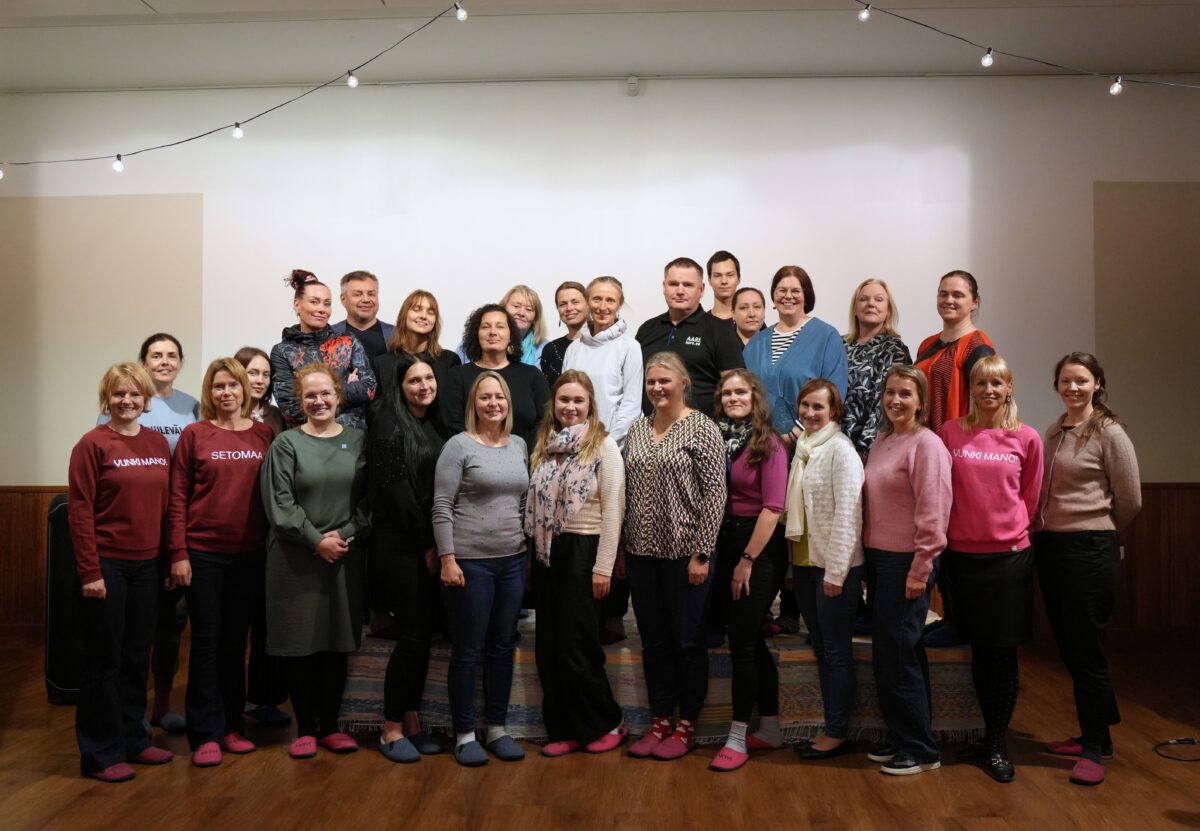
On 28–29 October, a two-day social innovation study trip took place, organised by the National Foundation of Civil Society (KÜSK). The aim was to bring together leaders from NGOs, municipalities, and businesses to explore functioning community-based solutions and support the exchange of knowledge and experience.


It is 11:02. A bus rolls into the parking lot of Lõunakeskus in Tartu. Through the windows, you can see people in coats and backpacks. They have not come just to admire the autumn colours. They have come to find an answer to one question: how does social innovation emerge?
Nearly 80 people applied for this study trip — on average, three applicants per place. These are not tourists. They are community leaders, entrepreneurs, municipal employees, and youth sector professionals. People who do not just talk about change, but bring it to life.
The bus doors close. The wheels start turning. A journey begins — one that will end in the same place two days later. It is a journey along the paths of social innovation in South-East Estonia. The stops have been chosen to showcase real cross-sector collaboration: youth-led initiatives, joint projects between entrepreneurs and municipalities, and solutions driven by communities.
Võru HUUB: “We are not afraid of change”
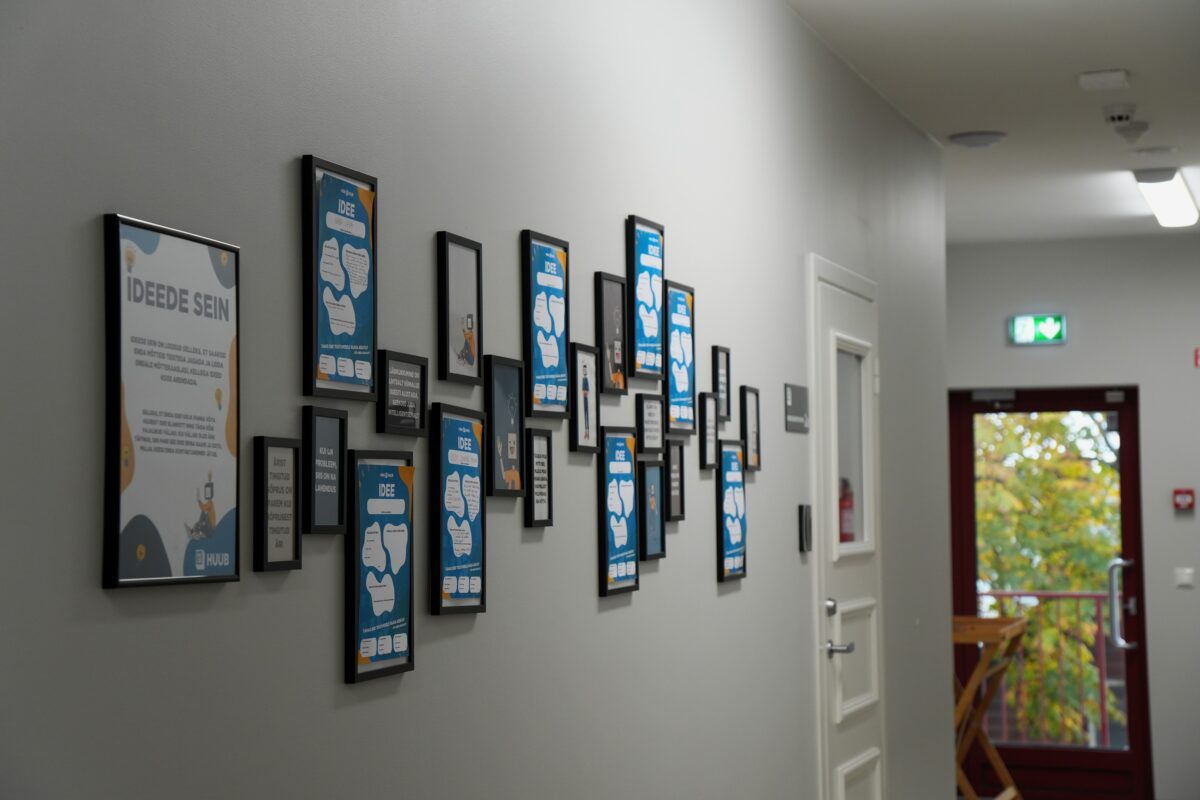
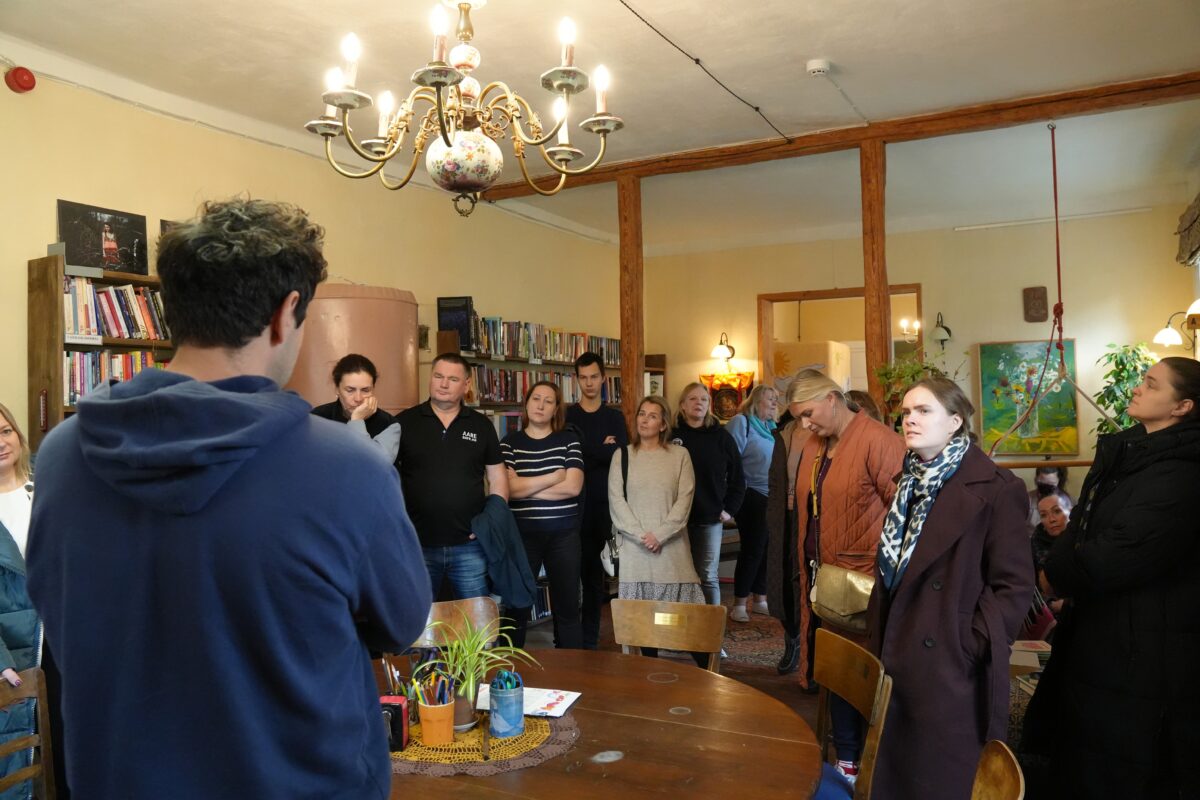
The first stop is Võru HUUB — a joint environment created by the city and the development centre, engaging young people aged 16–30+. This is not a traditional youth centre, but a space where young people lead their own projects and events, test services, and collaborate with local actors. Currently, around 70 young people are active at HUUB, developing their entrepreneurial skills.
We hear how such an environment was created, what its future directions are, how teams produce marketing content for real businesses, explore revenue models, and build communities among both young people and entrepreneurs. The focus is simple: when responsibility and space are in the hands of young people, it creates energy that draws people in and keeps the place alive.
kood/Võru: a school that teaches doing, not listening
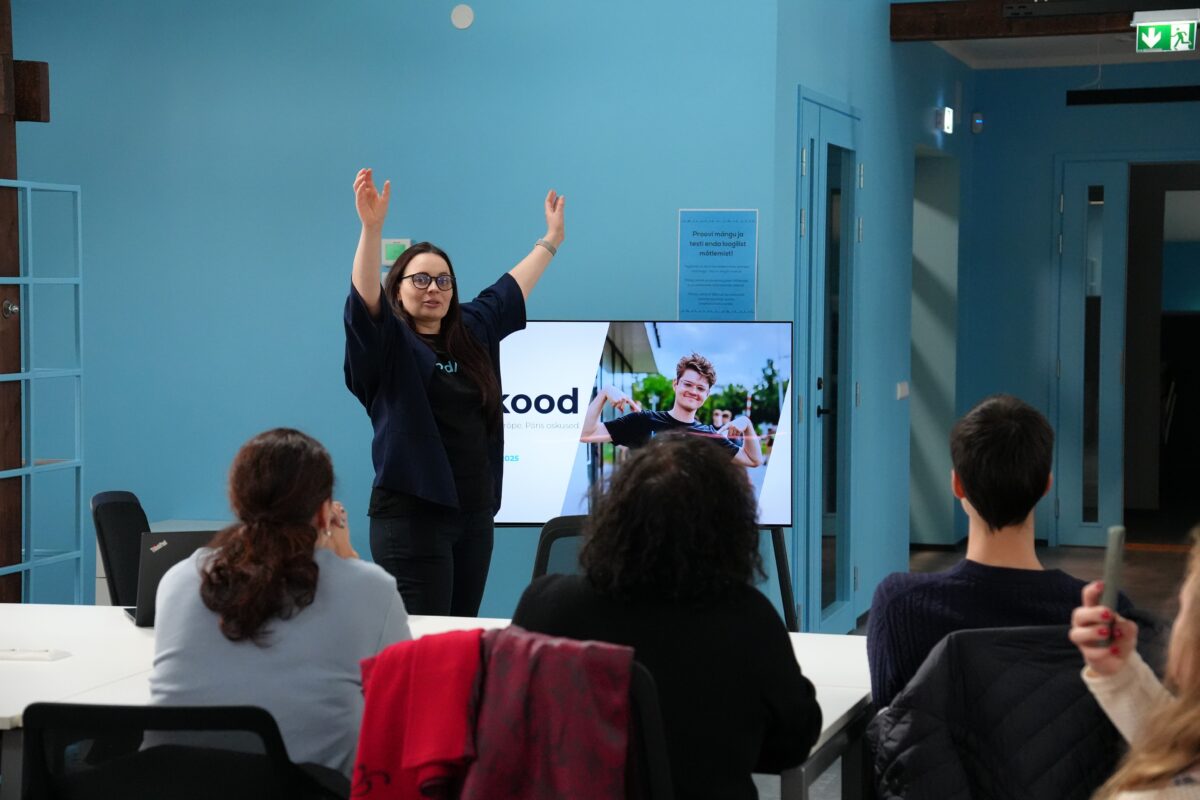
From HUUB, we walk to the kood/Võru technology school. This is a South-East Estonian extension of a privately initiated IT education model, run jointly by entrepreneurs and the local municipality. The space resembles a startup rather than a classroom. There is no “teacher in front, students in rows” — instead, there are projects, teams, and a clear principle: learning happens through doing.
The programme develops coding skills through projects, elective courses for upper secondary schools, and partnerships, with the aim of scalability and regional impact. There is also discussion of cooperation with Harno and a young developer programme. The message of kood/Võru is clear: IT education does not have to be located in the capital, and talent does not have to leave rural areas. While in 2020 the kood school existed only in Jõhvi, by 2025 there were already three locations in Estonia, along with additional programmes and study opportunities abroad.
Navi Village Association & Vunki Mano: “People are walking treasures”
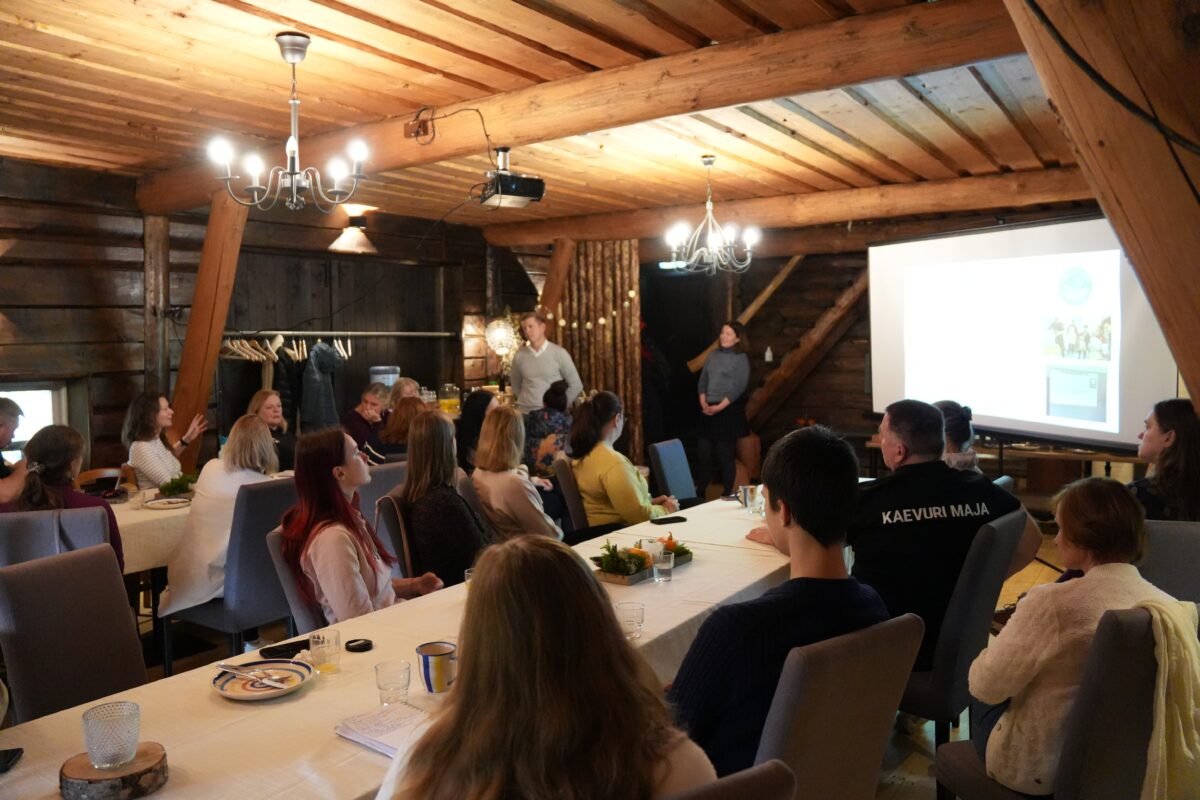
After lunch, the bus stops in front of the Navi village community house. From the outside, the modest building does not reveal what lies within: a community that has built its own identity and rhythm. The association was founded on 14 March 2000. The village has 216 residents, 47 of whom are members of the association. It has a five-member board, and the community house was completed in 2010.
The house hosts childcare services, a men’s club, a senior university, a history group, community gatherings, and traditional village events. It is not just a building — it is infrastructure for sustaining community life.
Community leader Mai Timmi presents a slide describing the village’s identity: a learning village, a caring village, an open village, a cohesive village, a sporty village, and a safe village. Navi does not operate project by project — it operates on principles. The village does not ask for permission; it finds a way. Yet a paradox remains: “people want to belong, but not necessarily to contribute.”
“The most important thing is that the house is never empty,” says Timmi, noting that the building itself was created through local initiative. At peak times, more than 100 people pass through the house in a single day.
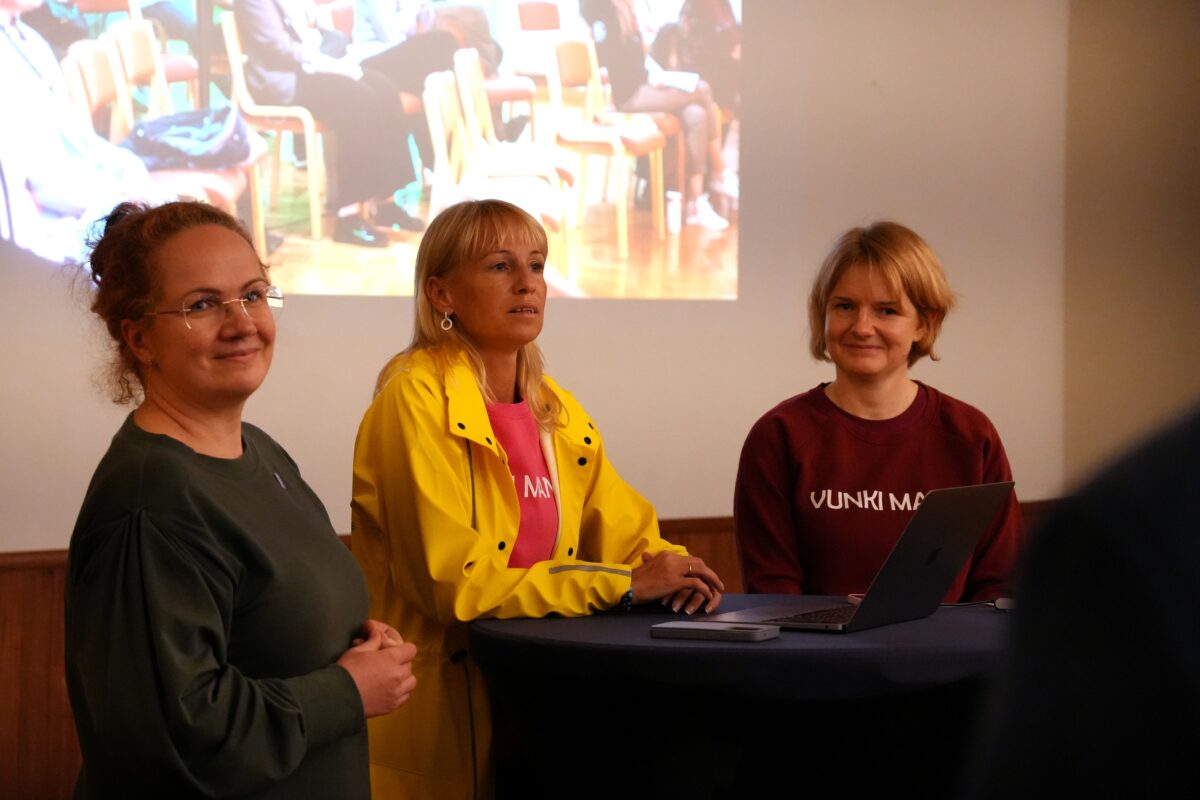
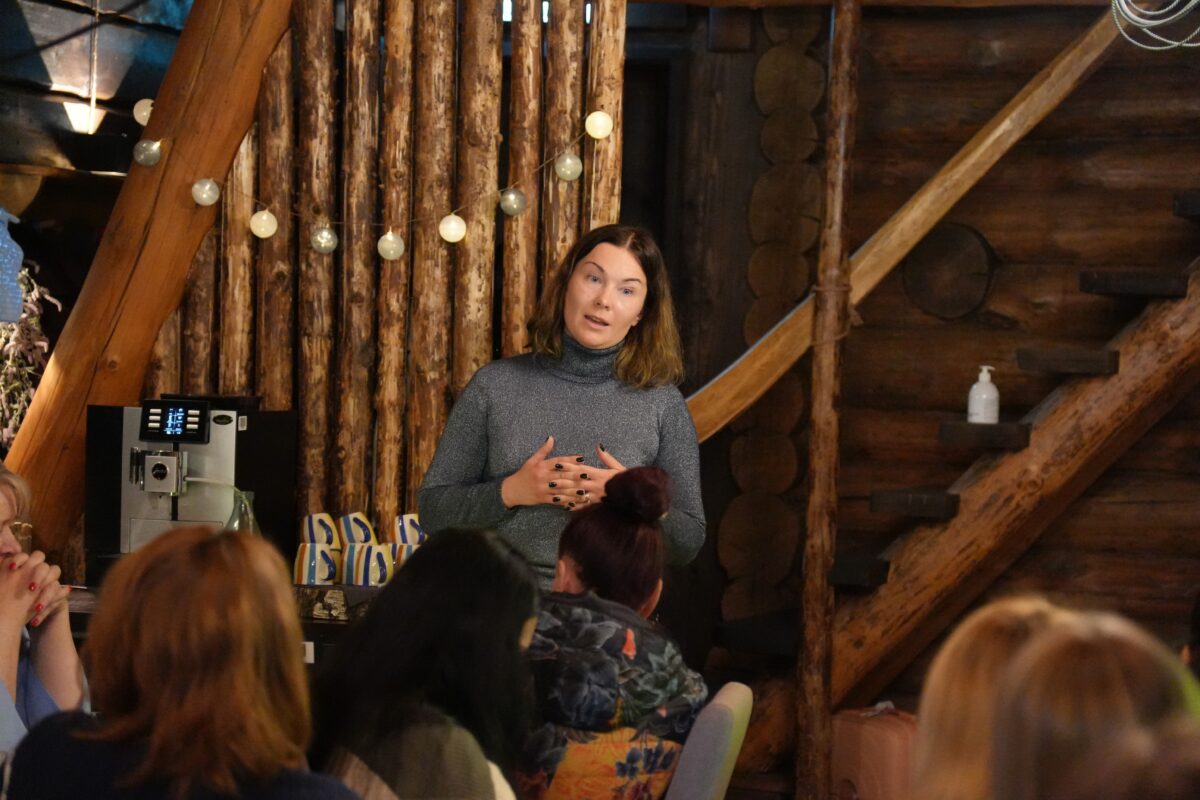
We also hear about what Vunki Mano really is. It is not an event where people simply write down ideas. It is a co-creation format that takes the region’s biggest challenges and places them into joint development by community members, entrepreneurs, officials, and experts. This year marked its ninth edition. According to the organisers, creating the right atmosphere is crucial for new solutions to grow and develop.
The organisers have continuously refined the concept, experimenting with three-day formats as well as remote participation. Importantly, teams do not need to consist solely of experts in the problem area.
“People are walking treasures — when they reach the right environment, ideas begin to grow,” says Kadri Kangro, one of the initiators of Vunki Mano.
Võru County Development Centre: municipalities can support innovation
The second day begins calmly and reflectively. Over coffee, Tiit Toots, head of the Võru County Development Centre, speaks about how municipalities can act as catalysts of social innovation — not merely as funders or decision-makers, but as enablers. He emphasises that change happens where municipalities create space and trust, not control.
He shares concrete examples of the development centre’s work: a one-stop-shop service for apartment building renovations, helping residents navigate the entire process; an entrepreneurship incubator that supports initiatives with space, mentoring, and incubation programmes; and mental health support for young people and families through training programmes, e-courses, and a county-wide partnership network. Efforts are also made to maintain the visibility of local language and culture in educational institutions.
“The role of a municipality is not to do everything itself,” Tiit concludes, “but to create the conditions for solutions to emerge.”
Kupland – when a region functions as a platform
After hearing from the development centre, we learn about Kupland — a network of remote workspaces and community initiatives in South Estonia. While remote work is often seen as isolated office spaces, Kupland is much more. It is a shared regional agreement that work, entrepreneurship, and community life do not have to take place in cities.
Kupland brings together spaces, communities, and people — not to standardise activities, but to ensure that no one has to do everything alone. It does not build new infrastructure, but creates value from what already exists: if one space has equipment, another has contacts, and a third has people, collaboration emerges. Kupland shows that innovation is not always about building something new — often it is about using existing resources wisely and believing that even small places have a role to play.
Sänna Inventors’ Village School – a school that chose to be different
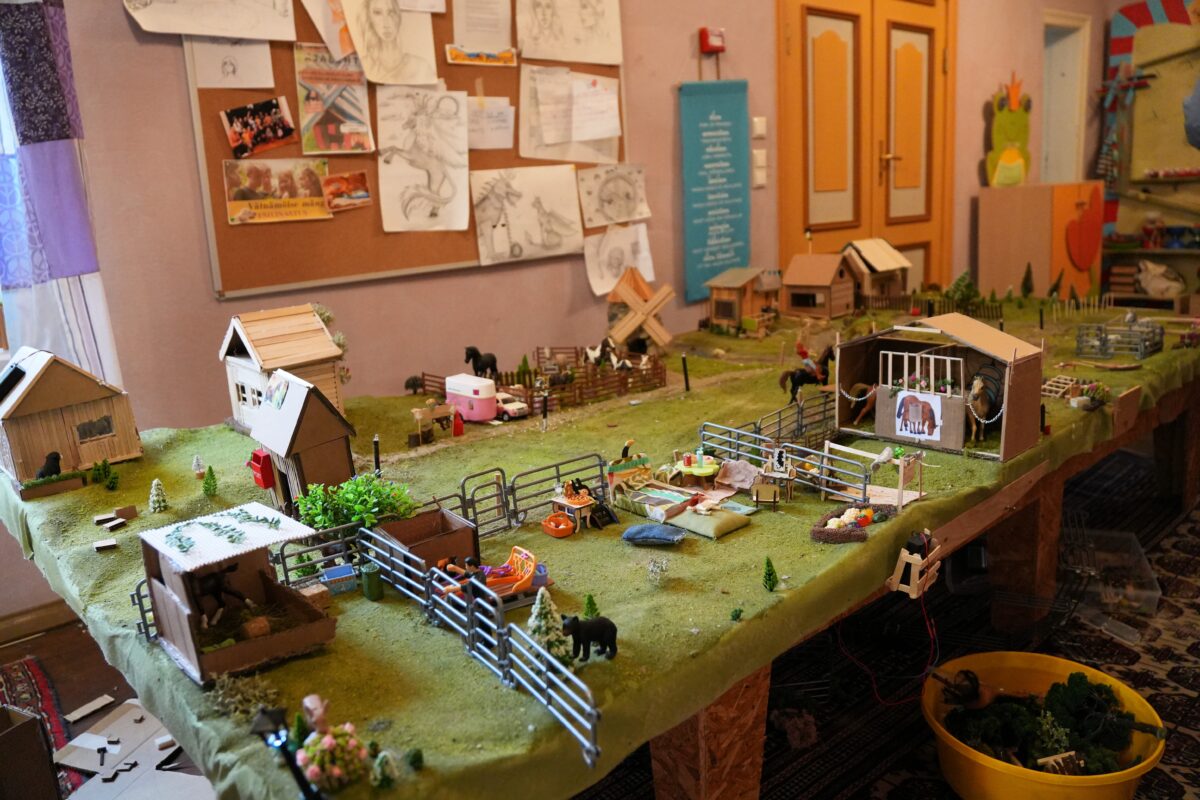
Sänna Inventors’ Village School is a vivid example of educational innovation — a school where learning is not limited by time or space, but guided by the children themselves. There are two classes and about 50 students in total, with roughly half present at any given time. Children move freely between spaces and choose what to work on, while the teacher’s role is not to assign tasks, but to create the conditions for learning to happen.
“We don’t raise students,” one teacher says, “we raise people.”
Learning takes place in a manor house, park, forest, and the wider community. To study the solar system, students go outside and map it on the ground. To understand how democracy works, they hold general assemblies where children have both voice and responsibility.
Inspiration that lasts
“It was powerful to see social innovation not on slides, but in real life. We saw initiatives driven by young people, sustained by village associations, built through entrepreneurial collaboration, and supported by municipalities. These examples show that when people are given space and trust, ideas begin to grow,” said Elmo Puidet, organiser of the study trip from the National Foundation of Civil Society.
According to him, the study trip format itself creates impact:
“When we travel as a group, share experiences, and reflect on what we see, each new insight is multiplied. Inspiration turns into decisions, and ideas turn into action.”
He added that the success of South-East Estonia is no coincidence:
“This is fertile ground for social innovation — from Vunki Mano co-creation events to open collaboration and municipalities willing to experiment. It is the result of years of systematic work.”
“It was exciting to see, on a very practical level, what is being done in communities. What resonated with me most was how social innovation was used to engage young people — especially those aged 16+, a group often overlooked in community work. Many young people leave because there is nothing for them to do locally. Here, there was a clear answer.”
— Tiina Sünter, education and culture specialist
“Social innovation and support opportunities are much more accessible than I had thought. I’m taking home inspiration above all — and the confidence that you can start with small steps.”
— Anastasia Pjatakova, master’s student in social entrepreneurship and founder of a social startup
“So many proactive people, all taking action — from different places and with very different backgrounds. I’m taking with me a wealth of emotions, motivation, and many ideas to implement at the community level. My willingness to act has grown.”
— Berit Soosaar
“It’s impressive what kind of people are active in Estonia — and the strength with which they bring their ideas to life. There is much the state could learn from small communities, especially in how problems are solved and how collaboration works.”
— Triin Sooäär, youth sector coordinator
This is the first study trip of its kind this year, but based on the level of interest and feedback, it is clear that such opportunities are highly valued. In 2026, KÜSK plans to organise two more study trips to give even more active people the chance to participate.
The study trip was organised by the National Foundation of Civil Society.
It is part of the Swiss–Estonian Cooperation Programme “Social Inclusion Support,” aimed at strengthening civil society through the promotion of social innovation.
The programme is co-financed by Switzerland to reduce economic and social disparities within the European Union.