


Study Visit on Social Innovation to Ida-Viru County: How Communities, Youth, and Courage Shape the Future
The image of Ida-Viru County in Estonia has for years been multifaceted – shaped by the shadows of its industrial past, language barriers, and the perception of a region in need of support. At the same time, in recent years, a number of targeted grants and investments have been directed to the region with the aim of revitalising local life, strengthening entrepreneurship, and creating an attractive living environment. However, the most important change does not come from funding alone – it is driven by people, ideas, and collaboration.
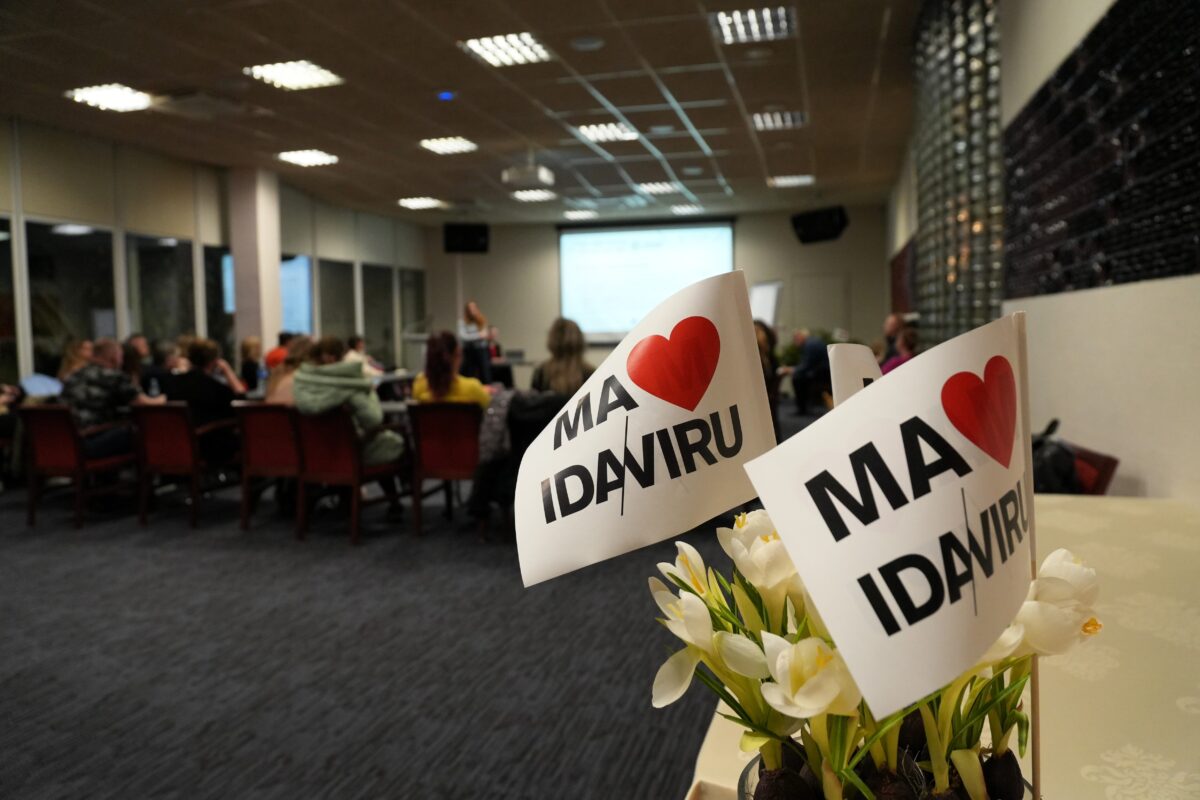
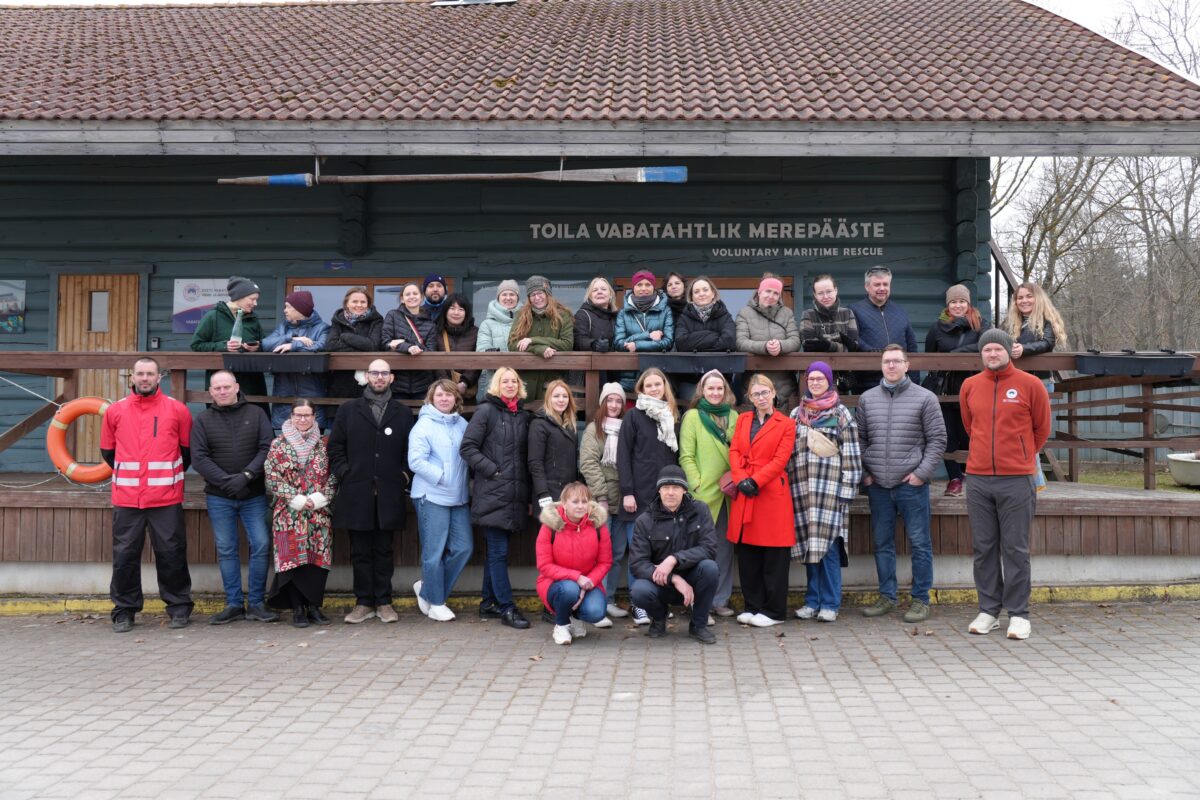
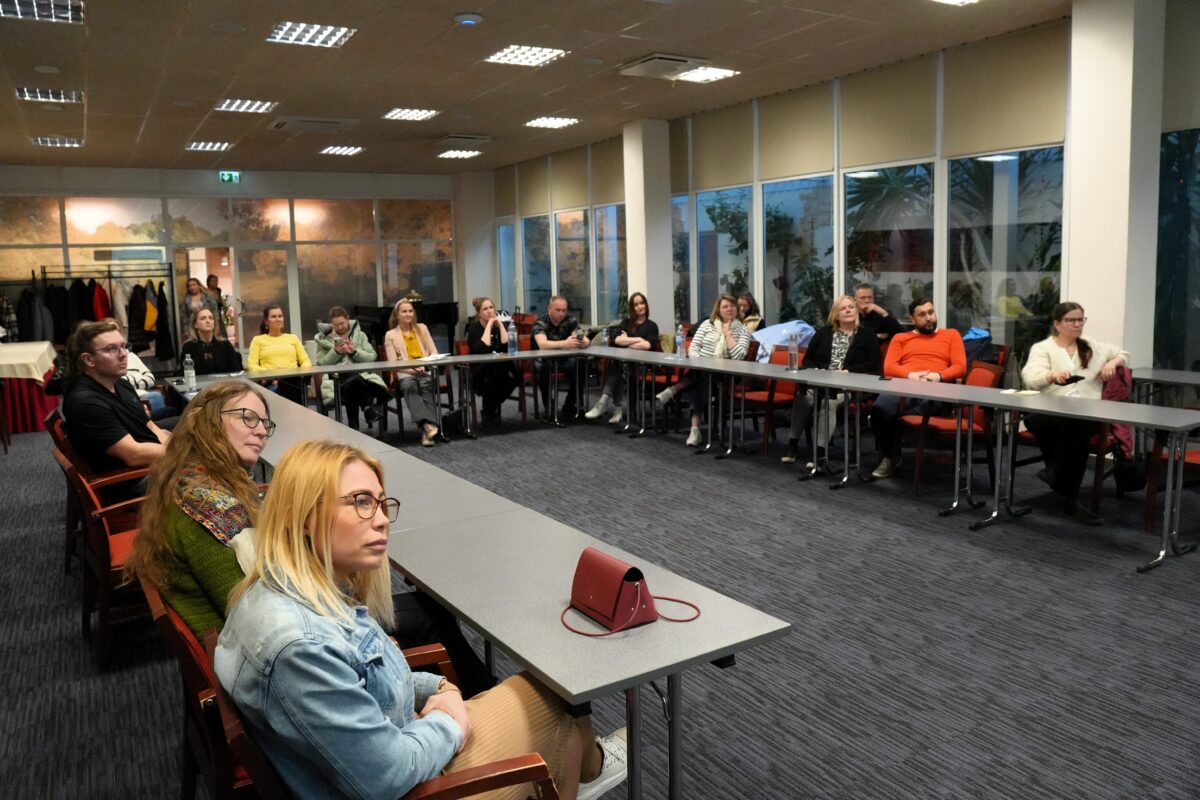
This was clearly demonstrated during the two-day social innovation study visit to Ida-Viru County, organised on 24–25 March under the leadership of the National Foundation of Civil Society. The aim of the study visit was to bring together representatives of civil society organisations, the public sector, and businesses to explore effective community-based solutions and to support the exchange of knowledge and experience. Interest was remarkable – 140 people applied for 25 available places.
The initiatives visited over the two days clearly showed that Ida-Viru County is not merely a target area for support, but an environment where these resources are increasingly being applied in creative and sustainable ways.
Education as a Driver of Change
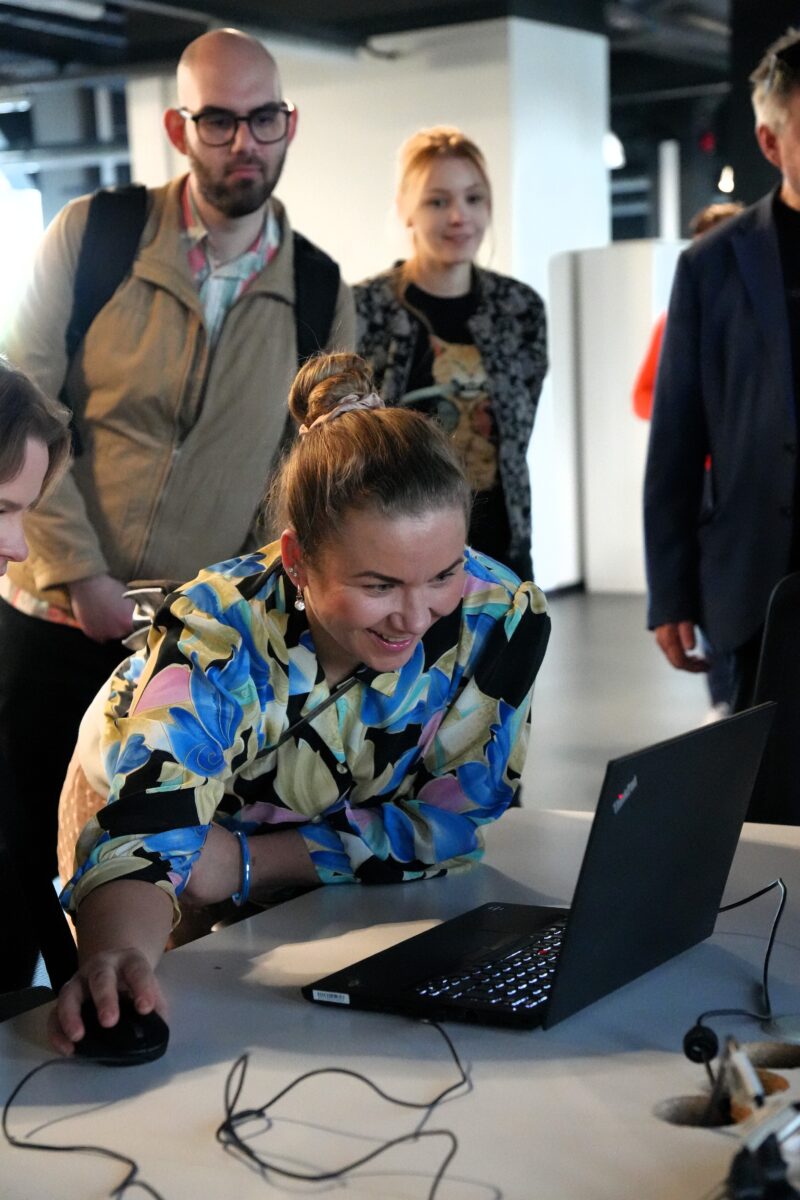
The first stop of the study visit took participants to the kood/Jõhvi learning centre. Originally launched in Sillamäe, the programme has evolved over time – from an initial focus on Eastern Estonia into a model that aims to offer opportunities to anyone interested, regardless of their background.
The numbers speak for themselves: learners represent 33 nationalities, 21% are women, and the average age is 29. Flexibility is also a key feature of the programme – in addition to adult learners, opportunities have been created for upper secondary school elective courses, and participants range from highly educated individuals to enthusiastic basic school graduates.
The programme’s strength lies in its hands-on, project-based learning approach. For example, a team of four is currently working on a solution aimed at bringing non-profit organisations together – a strong example of how technology can support social impact.
From Animal Rescue to a Systemic Solution
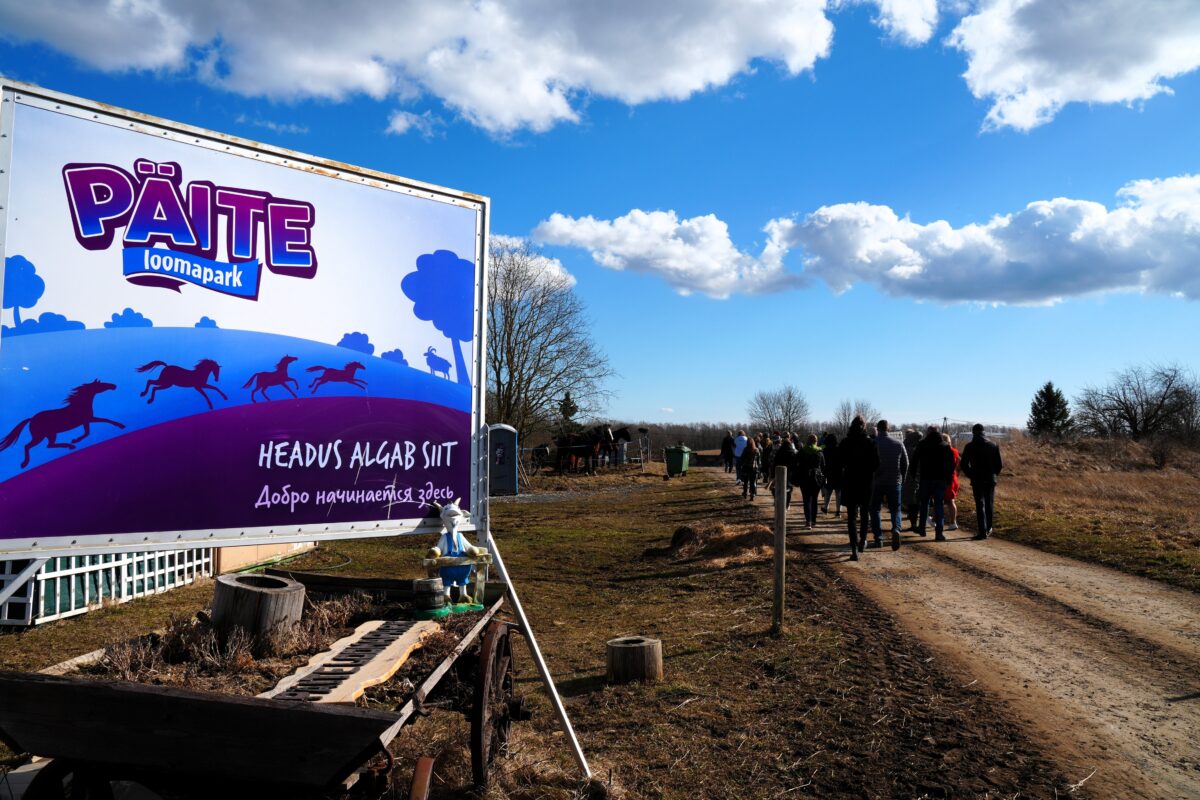
At Päite Animal Park, established by the NGO Ayuda, participants encountered an initiative that has grown out of a genuine desire to help. The founder made the decision to move from Tallinn to Ida-Viru County in order to rescue animals. What began as an animal rescue effort has developed into a multifaceted centre where both domestic and wild animals are treated and cared for, alongside the organisation of various events.
A key element here is collaboration – both with local municipalities and at the international level. For example, animal rehabilitation and relocation efforts have led to partnerships with Slovakia and other countries.
New Life Born from Crisis
Voka Inc. Cuisine Brutale, located in Voka, is a vivid example of how creativity knows no bounds and how food does not have to rely solely on conventional ingredients. For instance, the restaurant has created an “offal festival” to offer visitors something a bit out of the ordinary. Housed in a former school building, the venue stands out both for its distinctive design and its inventive solutions. During the COVID-19 restrictions, for example, the owner built a church on-site – because attending church was allowed at the time, while visiting a restaurant was not.
Today, this space serves a new role as a community gathering place. It demonstrates how unused infrastructure, when combined with the right idea and leadership, can become a driver of regional development.
Culture as a Creator of Identity
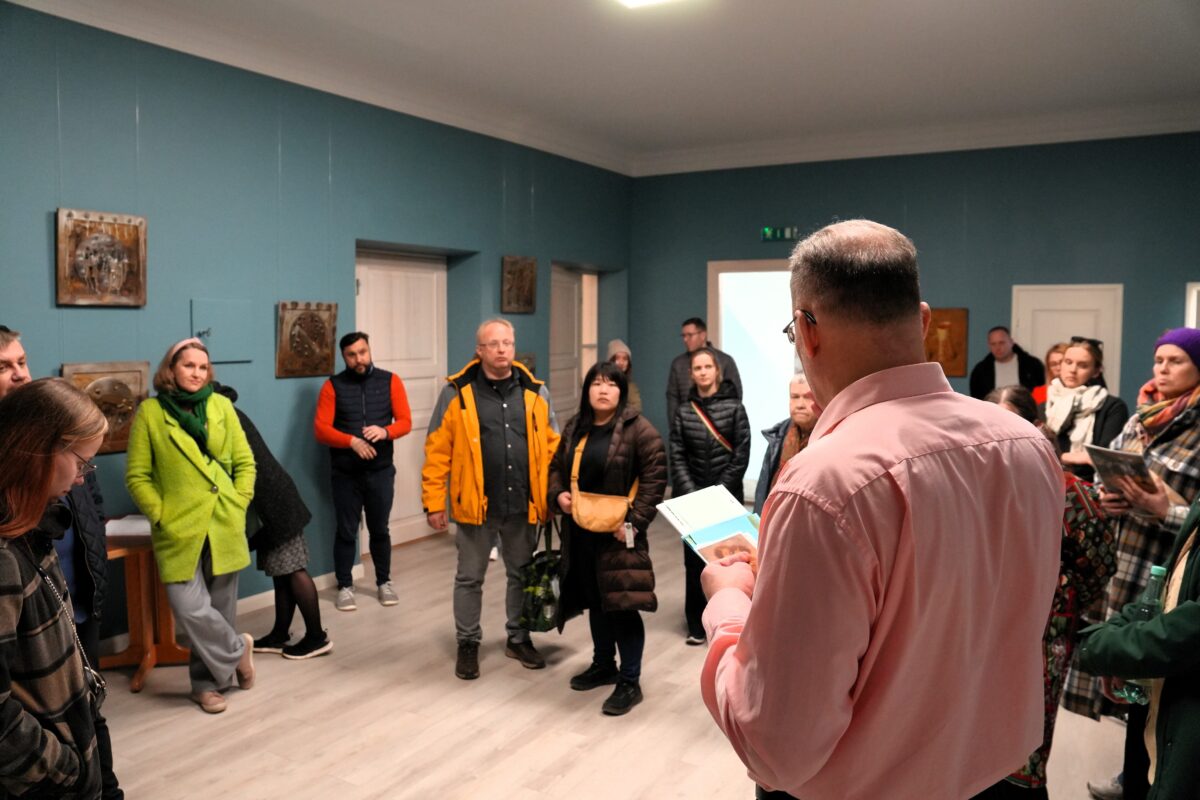
Sillart, operating in Sillamäe, is an example of a community-driven cultural initiative. Led by volunteers, an old school building is being transformed into a contemporary art gallery and creative centre.
Sillart’s ambitions go beyond a gallery – plans include concerts, video production opportunities, training sessions, and creative workshops. It represents a classic bottom-up approach to cultural policy, where the community itself builds its cultural infrastructure and creates opportunities for local artists to shine.
The Future Is Not Planned Alone
The Ida-Viru Future 2050 initiative brings together different sectors to shape a long-term vision for the region. More than 120 ideas collected from local residents form the basis of a vision document that has also been presented to decision-makers.
The initiative is led by young people, with the aim of ensuring that the county remains a viable place to live and work in the future.
At the heart of the process is inclusion – ideas are not developed behind closed doors, but through dialogue with the community. This year’s focus is on building bridges, emphasising the need to connect different stakeholders for shared development.
Community Safety and Maritime Identity
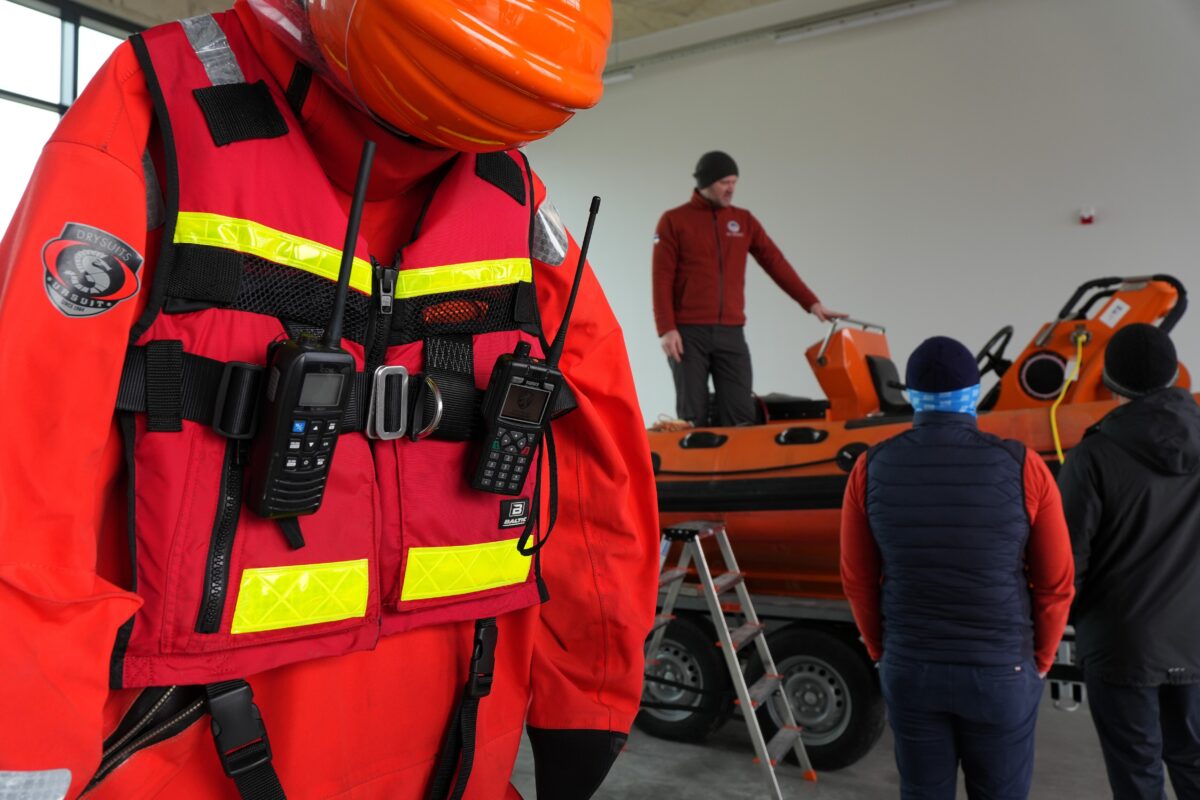
Toila Sea Rescue and Toila Yacht Club illustrate how volunteerism and community responsibility create value.
Toila Sea Rescue operates in an area where national response capacity does not always meet local needs, making this volunteer-based organisation a critical community service. Currently, the Sea Rescue unit has 14 members and has been active for nearly 20 years, making it the oldest volunteer sea rescue unit in Estonia. In addition to its members, it has developed a system of regular community supporters, ensuring sustainability while also strengthening local cooperation. The organisation also provides maritime education for young people, with plans to expand these activities in the future.
Operating alongside it, the Toila Yacht Club focuses on the future – young people – by offering sailing training, international experience, and a strong sense of community belonging. For example, last year a regatta brought together more than 120 young sailors. The club collaborates with other organisations and actively involves parents in its activities.
The synergy between these two organisations creates a complete ecosystem where safety, education, and the next generation support one another, developing the harbour as a community hub and a “sea stadium.” In addition, the harbour features a seaside restaurant, with accommodation opportunities planned for the future.
Collaboration as a Strategic Choice
The study visit concluded with discussions led by the Ida-Viru Enterprise Centre, where regional cooperation models were introduced – including tourism, creative, and education clusters, as well as IdaHub as a support platform for entrepreneurship and innovation.
In the field of education, targeted steps have been taken in recent years to make learning more inclusive and attractive for young people. One example is the education cluster Helikopter, which brings together educational institutions and partners to develop innovative solutions and better align education with regional needs.
At the same time, significant investments have been made in the tourism sector, based on the understanding that Ida-Viru County offers a diverse and distinctive visitor experience that deserves stronger promotion. With support from the Just Transition Fund, approximately €100 million has been directed to the region, including plans to build four new hotels. In parallel, a tourism cluster has been established, bringing together nearly a quarter of the region’s tourism businesses. Under the shared concept of an “adventure land,” stakeholders collaborate to strengthen the region’s image and attract more visitors.
In addition, a creative cluster operates in Ida-Viru County, including a database of creative professionals. This enables quick identification of partners for project-based collaboration and supports the visibility and development of the creative sector. Important steps have also been taken to attract more international film projects to the region – Ida-Viru County is being deliberately positioned as an attractive and diverse filming location.
The study visit confirmed one thing: Ida-Viru County is no longer merely a target area for development programmes. It is an environment where experimentation, learning, and innovation take place. The most important resource is not funding, but people – those who see opportunities, build connections, and take action.
The next study visit will take place already this autumn, so it is worth keeping an eye on KÜSK’s channels!
The study visit was organised by the National Foundation of Civil Society.
The study visit is part of the Swiss–Estonian Cooperation Programme “Supporting Social Inclusion”, which is aimed at strengthening civil society through the promotion of social innovation.